
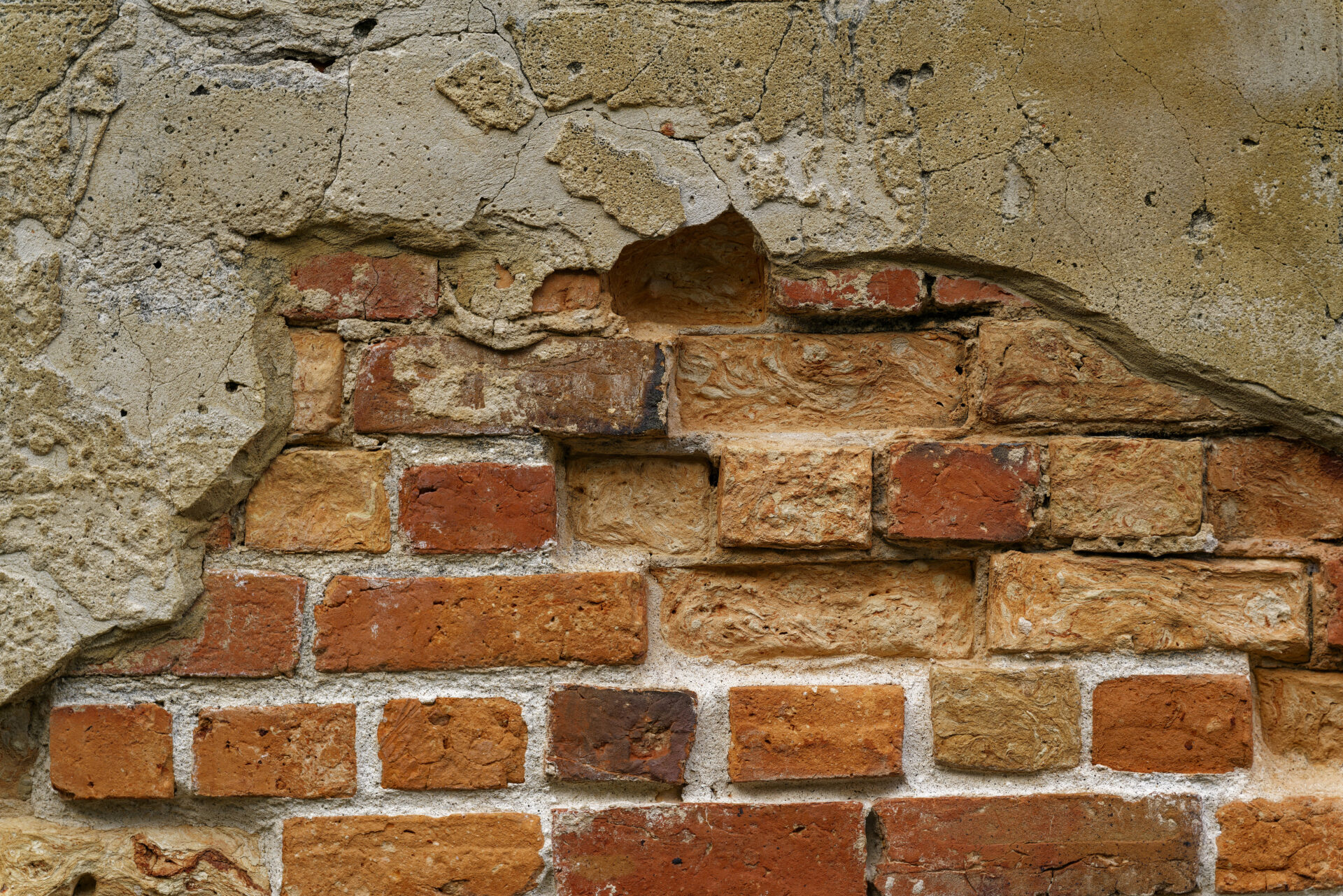
Tom’s Construction: A Cautionary Tale
Once upon a time in a bustling town, there was a builder named Tom. Tom was known for his quick and affordable house constructions, and many people hired him without thoroughly checking the quality of his work. When the family decided to build their dream home, they trusted Tom based on a recommendation from a friend and a quote that seemed fair, even though his communications seemed a little strained. Tom didn’t ask many questions about their specific needs or long-term plans for the house—he simply promised to complete the project quickly and on budget. At the time, the family saw his confidence and low price as positives, unaware that these were warning signs of a lack of attention to detail and quality.
Tom began constructing the house, but unbeknownst to the family, he made choices aimed at saving time and money. He used asbestos as one of the main materials because it was readily available—he salvaged it from bins at sites where homes were being dismantled. He didn’t seal the water closets (bathroom, toilet) or laundry, as this process would have taken too long, leaving the home susceptible to leaks and water damage. The studs in the walls were spaced farther apart than standard practice, which allowed him to complete the framework more quickly, though it left the structure less stable. Additionally, he installed improperly sized windows and doors, resulting in drafts during winter and inefficient cooling during summer. Because of these shortcuts, the house was completed quickly and under budget!
At first, the family was thrilled with their new home. It looked beautiful on the outside, and they were happy with how quickly it was built and that it came under budget. For months, they settled into their new space, proud to have achieved their dream.
A Small Task Unravels Big Problems
Months passed, and the family wanted to hang a cherished painting on their living room wall. They decided it would be better to call in a professional than risk damaging their new home. Their first thought was Tom, who had built the house. However, when they contacted him, Tom claimed he was too busy to help and couldn’t schedule the job for several weeks.
Feeling frustrated but determined, the family reached out to a local handyman for the installation. When the handyman arrived, they were impressed by his proactive approach. As he assessed the wall for the best spot to mount the painting, he discovered some troubling signs: the wall studs were spaced too far apart, compromising the stability of the structure. As he dug deeper, he found even more concerning issues.
The handyman noticed that the walls were made of asbestos —a hazardous material that posed significant health risks. His inspection also uncovered the absence of proper waterproofing in key areas like the bathroom and laundry, leading to leaks that had already caused mold and water damage. He flagged drafty windows and unsealed doors that made the house inefficient in both summer and winter.
Thanks to the handyman’s thorough examination, the family realised their home had been constructed with major flaws and shortcuts. What began as a simple project to hang a painting turned into a revelation of structural deficiencies, setting off a cascade of expensive repairs and difficult decisions.
The Unravelling Nightmare
Soon after, the family decided to hire a plumber to install a new dishwasher, hoping to get one task off their list. During the installation, the plumber noticed significant water damage under the flooring and warned them about possible leaks. Now fully aware of the shoddy construction, the family called the handyman back for further inspections.
The family’s dream home quickly transformed into a nightmare as the extent of these problems became clear. Fixing these issues would be a massive undertaking. Removing the asbestos would require specialised professionals and would be very expensive. Reinforcing the structure of the house would mean tearing down walls and rebuilding them, which would take a lot of time and effort. Applying waterproofing to all the water closets, and the laundry as well as treating the mold, would be disruptive to the household, and require extensive rework of the floors in the impacted areas. Refitting and sealing the windows and doors would be a major project, and in some cases would require entirely new fit-for-purpose windows to be built.
The Confrontation with Tom
When the family confronted Tom about the poor workmanship, they brought detailed findings from the handyman and plumber who had uncovered the issues. Armed with evidence of asbestos, unsealed water closets, weak wall studs, and drafty windows, they hoped Tom would take responsibility.
However, his response was far from apologetic. He said dismissively, “It’s not my problem. None of these issues were explicitly outlined in the requirements or specifications you provided. You didn’t say anything about not wanting asbestos, or ensuring the structure could hold up in storms.”
The family was stunned, arguing that these were basic expectations of any competent builder. But Tom remained unmoved. He added, “If you want it changed to your new specifications, I’m happy to help—for an hourly rate, of course, and as long as it fits into my current schedule.”
The family realised they were trapped: fixing the house would mean paying more money and accommodating Tom’s timetable or hiring another contractor to clean up the mess. All because they had trusted someone who prioritised speed and cost over quality and safety.
Lessons for Any Project
Tom’s evasive response highlights a broader problem: the dangers of entrusting long-lived, complex projects to someone who views them as disposable or trivial. His refusal to take responsibility—even for fundamental issues—mirrors what can happen in software development when quality is overlooked, and responsibility is evaded under the guise of incomplete requirements.
Just as Tom prioritised speed and cost over safety and durability, software projects often suffer when developers focus only on meeting minimal specifications instead of considering long-term value and robustness. We have a term for this: Technical Debt. Whether it’s a family’s dream home or a critical software system, the consequences of cutting corners are strikingly similar: escalating costs, structural failures, and a compromised future.
Yet one of the biggest lessons from Tom’s story goes beyond cutting corners—it’s about the risks of not knowing how to evaluate who you’re hiring. The family trusted Tom without realising they lacked the tools to assess his qualifications. His lack of curiosity about their needs and the vague assurances he gave should have been warning signs. Similarly, in software development, businesses often engage contractors based on surface-level impressions, missing the red flags that indicate misaligned priorities or a lack of capability for long-term projects.
This analogy isn’t just a cautionary tale—it’s a call to action to rethink how we approach significant projects. By focusing on quality, setting clear expectations, and properly vetting those involved, we can avoid the pitfalls that come from misplaced trust and short-term thinking. Let’s explore how these lessons apply specifically to software development and see how avoiding shortcuts can lead to enduring success.
How does this relate to your software project? Read about the project behind this analogy, and how it applies to projects.
Part 2 – Non-technical – The project behind the analogy
Part 2 – Technical – The project behind the analogy
Part 3 – Strategies for Improvement