
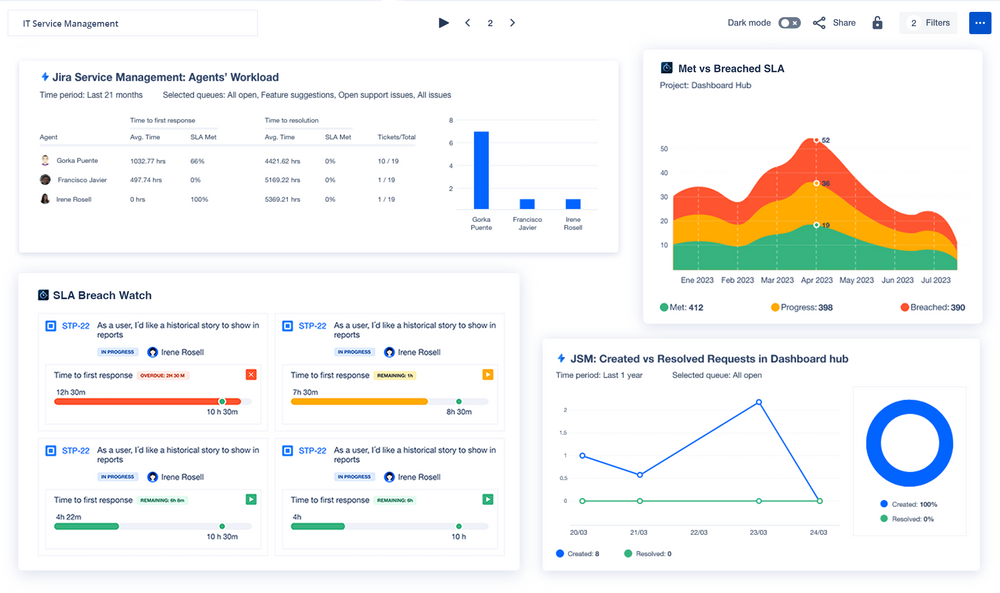
When you don’t have any SLAs in place, implementing them can seem daunting. One of the biggest challenges is determining what value to set the SLA at. Here is a guide that I use to boot strap SLAs.
1. Identify Key Metrics Aligned with Business Objectives
Before diving into data collection, it’s crucial to determine which metrics are key to your business objectives. Ensuring these metrics align with what is important to the business will help in setting meaningful SLAs.
- Understand Business Goals: Clearly define your business objectives and identify metrics that directly impact these goals.
- Prioritise Metrics: Focus on metrics that are most critical to your business success.
If you are a service provider, this is also considering what is important to your customers, and if there are multiple Service Levels that may need to be offered based on the context of the request or situation.
2. Ensure Data Collection Capabilities
Once you have identified the key metrics, ensure that you can collect the necessary data. Without reliable data, you won’t be able to measure performance accurately.
- Identify Data Sources: Determine where the data will come from and ensure these sources are reliable.
- Implement Data Collection Tools: Use tools and systems that can consistently collect and store data.
This means that it is not appropriate to set an SLA if there is no way to measure it in a reliable manner. This means that it should not rely on a human to collect, or measure if possible.
3. Validate Data Accuracy and Consistency
The data you collect must be accurate and consistent. The SLA is not worth monitoring if the data that is collected is inconsistent, or incorrect.
- Define Metrics Clearly: Make sure the metrics you are measuring are clearly defined and understood by all stakeholders.
- Regular Audits: Conduct regular audits to ensure data accuracy and consistency.
If it is time based, ensure that the system will handle multiple time zone, daylight savings etc. correctly, otherwise the data may be skewed.
4. Determine Current Performance Levels
Understanding what is currently achievable is essential for setting realistic SLAs. This may include doing statistical analysis, or if historical numbers are not available, picking a number that feels right based on experience.
- Analyze Historical Data: Look at past performance data to understand current capabilities.
- Benchmarking: Compare your performance with industry standards or competitors to get a sense of what is achievable.
5. Establish Acceptable Ranges
Once you know what is currently achievable, determine what is an acceptable range for your SLAs.
- Set Realistic Targets: Based on your analysis, set targets that are challenging yet achievable.
- Stakeholder Agreement: Ensure that all stakeholders agree on the acceptable ranges and understand the implications.
There also may be some unknown biases that impact the number that you choose. It is better to choose a number initially that is more lenient, and then in the future review.
6. Consider Data Dimensions and Representation
When setting SLAs, think about the dimensions of the data and how to represent it effectively.
- Data Dimensions: Determine whether the data should be represented as a rate (e.g., transactions per second), count (e.g., number of incidents), time interval (e.g., response time), etc.
- Visualization Methods: Choose the best way to visualize the data to make it easily understandable. Options include:
- Graphs: Useful for showing trends over time.
- Dials/Gauges: Effective for displaying performance against a target.
- Counts: Simple and clear for showing totals or frequencies.
Initialising SLAs is a critical step in managing service performance. By identifying key metrics, ensuring data collection capabilities, validating data accuracy, understanding current performance, setting acceptable ranges, and considering data dimensions and visualization, you can create effective and realistic SLAs that drive improvement and accountability.